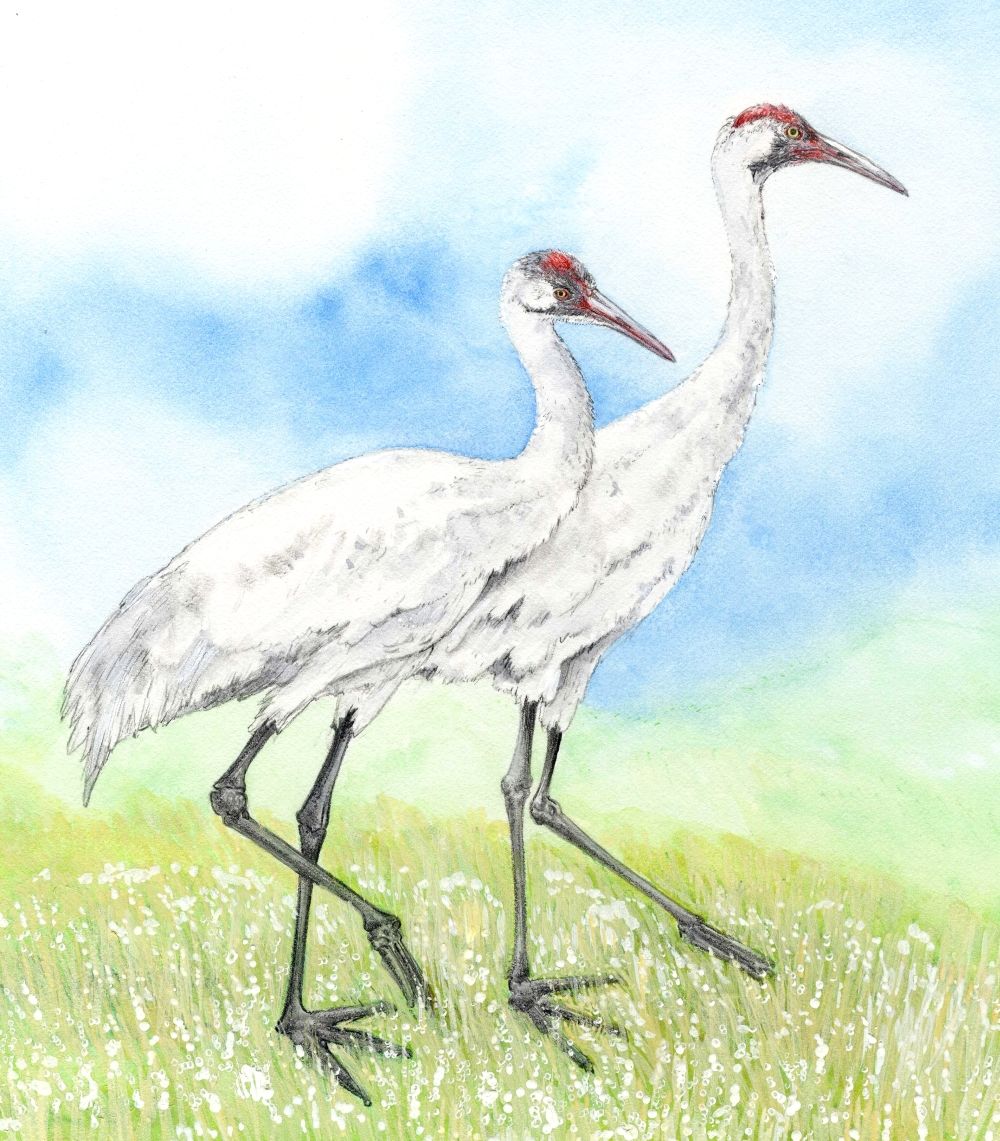
Whooping Crane
Latin name: Grus Americana,Conservsation status: endangered (population is increasing)
The tallest bird in North America, the Whooping Crane is able to fly 500 miles a day. Some young cranes hatched in captivity learned their migration routes by following ultralight air craft.
Before 1800 there were an estimated 10–20,000 Whooping Cranes in North America. By 1941, because of hunting and habitat destruction, there were fewer than 20. There are now approximately 350–380 in the wild. The wild Whooping Crane population has only one winter habitat—a wildlife refuge on the Gulf Coast in Texas; and one spring breeding habitat—a prairie wetlands in Alberta. Severe storms, sea level rise, drought, industrial development and oil spills threaten these habitats. Another significant threat to young Whooping Cranes is colliding with power lines in their migration corridor.
Other animals at risk
Koalas live in the woodlands of Australia. Thick fur and skin make it difficult for them to adapt to rising temperatures. Increased CO2 in the air produces less protein in the eucalyptus leaves, forcing the Koala to search for other sources of food and, in times of high heat, water. On the ground, the slow moving Koalas are prey to wild dingoes and domestic dogs, or are hit by cars as they cross roads. Their habitats are also being destroyed by drought, bush fires and development.
Pikas live primarily in cool micro-climates on rocky slopes, feeding in adjacent meadows. Warmer temperatures and reduced snowpack are the main threats. Some Pikas may move to higher, cooler regions if there is enough vegetation. Pikas living in lower, warmer regions are at risk if they attempt to move to other regions as they are extremely sensitive to heat—more than two hours in temperatures over 78 °F can be lethal. Without enough winter snow for insulation, Pikas will freeze.
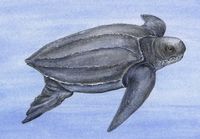
Climate change impacts the Leatherback in two main ways: an increase in the temperature of nesting sands causes a greater proportion of females to hatch, destabilizing future populations; and sea level rise and stronger, more frequent storms erode nesting beaches and wash away eggs and hatchlings. The Leatherback is also threatened from fisheries by-catch, egg collection, coastal development, pollution and ingestion of floating plastics.
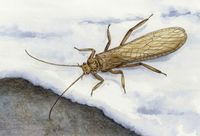
Since 1960, the average summer temperature in Glacier National Park has increased by around 1 °C and glaciers have declined by 35%. By counting Stoneflies, scientists can determine how quickly glaciers are melting and the temperature of streams. In a two year search begun in 2011, scientists found the Stonefly in only one of the six streams it had previously occupied and discovered that it had retreated to two different streams at higher altitudes. Satellite data confirm that the world’s glaciers are declining, affecting the availability of fresh water for humans, animals and plants, and contributing to sea level rise.
The Whooping Crane is at risk from climate change because of:The Whooping Crane is also threatened by: