Beluga
Latin name: Delphinapterus Leucas ,Conservsation status: near threatened (population is unknown)
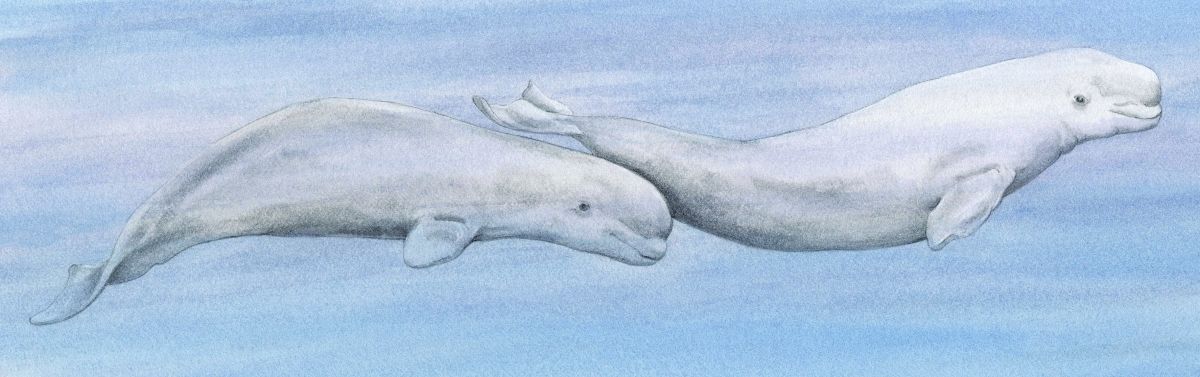
Belugas make such a variety of sounds—clicks, twitters, whistles, and mimics of other sounds—they have been nicknamed "sea canaries." As much as 40% of their body mass is blubber, which stores energy and keeps them warm in temperatures as low as 0 °C. The smallest whale on the planet, a baby Beluga gains up to 200 pounds a day.
Belugas live in Arctic and Sub-Arctic waters. Impacts from climate change include: an increase in ship traffic as sea ice declines, oil exploration and extraction, fisheries by-catch, and disruption of the food web. As Arctic waters warm and currents change, the Humpback (a competitor) and the Orca (a predator) may move north and stay longer. Some Beluga populations are also threatened by hunting, pollution and habitat loss.
Other animals at risk
All populations of Ringed Seals are expected to be adversely affected by climate change because of dependence on sea ice and snow dens for breeding, protecting pups, moulting and resting. Early warming causes pups to separate prematurely from their mothers. As sea ice declines, other threats are fisheries by-catch, increased shipping, tourism and development. Seals are vulnerable to disease from heavy concentrations of pollutants that have accumulated in the Arctic food web.
Belugas live in Arctic and Sub-Arctic waters. Impacts from climate change include: an increase in ship traffic as sea ice declines, oil exploration and extraction, fisheries by-catch, and disruption of the food web. As Arctic waters warm and currents change, the Humpback (a competitor) and the Orca (a predator) may move north and stay longer. Some Beluga populations are also threatened by hunting, pollution and habitat loss.
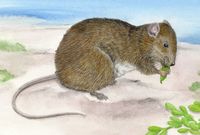
The Bramble Cay Melomys was the first species to be declared extinct because of climate change. Sea level rise and storm surges washed away its habitat, food and the last of the population. In 2014 scientists went searching in the hopes of starting a breeding program but were unable to find a pair. Other sea birds and turtles that live on the Cay are also threatened by storm surges and sea level rise.
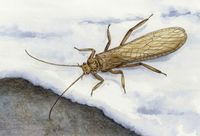
Since 1960, the average summer temperature in Glacier National Park has increased by around 1 °C and glaciers have declined by 35%. By counting Stoneflies, scientists can determine how quickly glaciers are melting and the temperature of streams. In a two year search begun in 2011, scientists found the Stonefly in only one of the six streams it had previously occupied and discovered that it had retreated to two different streams at higher altitudes. Satellite data confirm that the world’s glaciers are declining, affecting the availability of fresh water for humans, animals and plants, and contributing to sea level rise.
The Beluga is at risk from climate change because of:The Beluga is also threatened by: